
Bispecific T-cell Engager (BiTE) therapy through the Intermountain Health Oncology Clinical Program is Bringing Care Close to Home
SALT LAKE CITY, UT (PRUnderground) August 28th, 2026
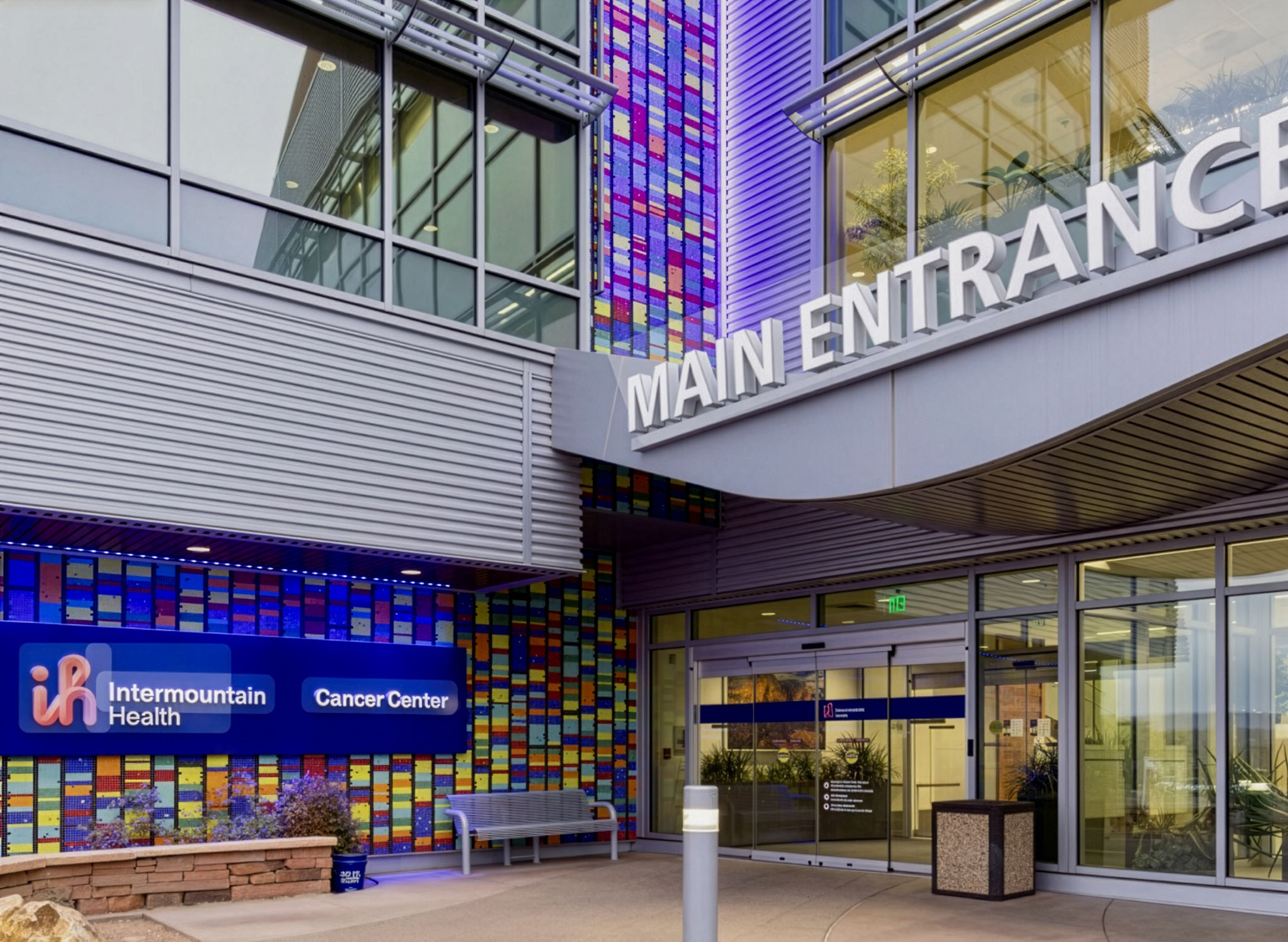
An innovative and high-level cancer treatment program at Intermountain Health is expanding to more hospitals across Utah, Colorado, and Montana to give greater access to rural patients without the requirement of long and frequent travel.
Bispecific T-cell Engager (BiTE) therapy is for patients who need enhanced care when typical cancer treatment is not working. BiTE therapy is used to treat cancerous tumors, using immunotherapy to convince the immune cells to attack the cancer cells.
The initial challenge for patients, however, was that the only place patients could receive this treatment was at Intermountain Health LDS Hospital in Salt Lake City and Intermountain Health St. Vincent Regional Hospital in Billings, Mont. Patients were required to travel weekly when beginning treatment, and then every couple of weeks for maintenance doses. But traveling – sometimes for hours — for treatment, while fighting cancer made trying to maintain a relatively normal life even more difficult.
Now, Intermountain Health has expanded access to BiTE therapy to several rural communities, including:
-
Utah
-
– Intermountain Health LDS Hospital, Salt Lake City
– Intermountain Health McKay-Dee Hospital, Ogden
– Intermountain Health Utah Valley Hospital, Provo
– Intermountain Health St. George Regional Hospital
-
Montana
-
– Intermountain Health St. Vincent Regional Hospital, Billings
-
Colorado
-
– Intermountain Health Lutheran Hospital, Wheat Ridge
– Intermountain Health St. Mary’s Regional Hospital, Grand Junction
Additionally, Intermountain Health St. Joseph Hospital in Denver, Color., will soon offer BiTE Therapy.
Since the new locations began administering the therapy, it is estimated to have saved patients 38,960 miles of travel.
“There are many benefits to therapy closer to home,” said Dr. Brad Hunter, medical director for Intermountain Health Oncology Research. “Patients have saved time, miles traveled, hotel, gas, and food costs.
“But more importantly, it is less taxing mentally and physically when already going through a challenging time. Having patients spend more time at home, with family and friends, in familiar and comfortable surroundings benefits them tremendously,” said Dr. Hunter.
Who is eligible to receive this type of treatment
Patients with blood cancers and associated tumors, such as lymphoma, multiple myeloma, and small cell lung cancer tumors qualify for BiTE therapy. BiTE Therapy is not the first line of treatments for these types of cancers, but is given to patients whose cancer has been difficult to treat and unresponsive to other types of treatments. It is showing great potential, hence the effort to expand access to patients.
The therapy is administered through infusions and is given either intravenously (through an IV) or subcutaneously (under the skin), depending on the type of BiTE therapy available. Patients receive multiple doses of the medication throughout the therapy process. There are three to four ramp-up doses, typically given weekly, until patients reach the proper maintenance dosage. Patients then come into the facility every week or two until complete. Dosing and length of time varies by patient.
What are the Risks?
While the treatment is highly successful, there is a high risk of toxicity. When the body’s healthy cells are turned into a “killer cells,” the body’s immune system can become confused and start attacking the body’s healthy cells.
It can cause cytokine release syndrome – which is an immune toxicity that causes low blood pressure and an activation of the immune system. The reactions can be mild to severe, ranging from headaches to low blood pressure to neurological problems. In some cases, the risk level can be as high as 30 to 40%, which is why such an emphasis is placed on proper training before a facility can administer the therapy.
When patients experience a toxic reaction, steroids or other medication are given to combat the effects, so the cancer treatment can continue.
“You want to make sure the nets you’re placing don’t have holes in them,” said Dr. Hunter. “While training each location you check, double check, and triple check to make sure the safety protocols are in place for everyone so the patients can have a safe experience.”
Patients interested in BiTE Therapy should discuss with their cancer teams if they are a good fit for the treatment.
For more information on BiTE Therapy, please see https://intermountainhealthcare.org/cancer.


