
Key Takeaways:
- A dog’s freeze response is a stress signal indicating emotional shutdown or learned helplessness, not calmness or good behavior
- The ‘Four F’s’ (Fight, Flight, Freeze, Fawn) are survival strategies that dogs use when overwhelmed, with freeze being the most misunderstood
- Frozen dogs often appear still and compliant but are actually experiencing nervous system overload that can precede aggressive reactions
- Professional training can help restore confidence and teach proper stress recognition in dogs with unknown histories
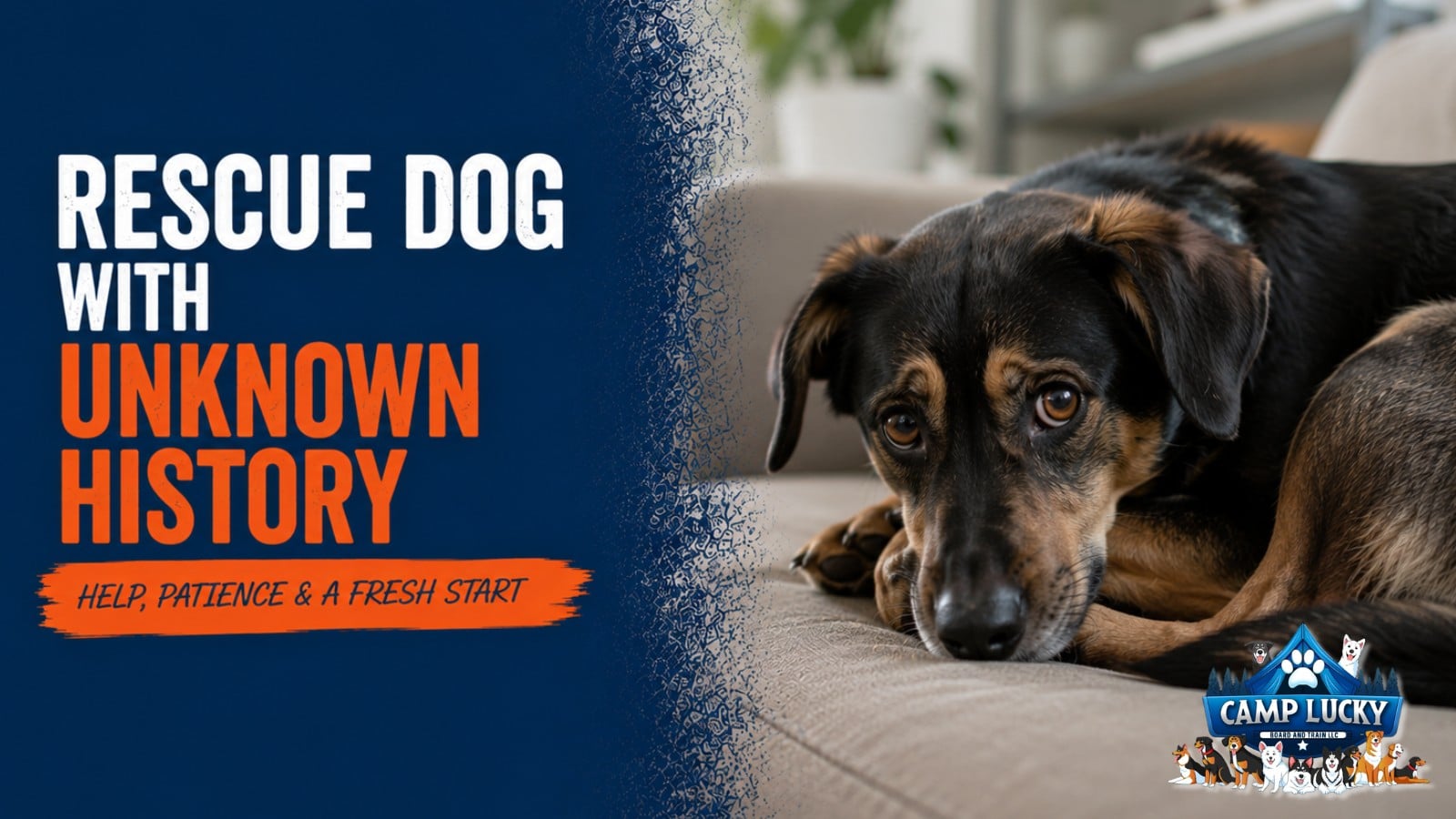
When a dog becomes perfectly still during stressful situations, many owners breathe a sigh of relief. Finally, their reactive pup seems calm and under control. But this apparent tranquility often masks a concerning reality: the dog hasn’t found peace—it has shut down completely.
Why Your Dog’s Stillness Is Actually a Survival Response
The freeze response represents one of nature’s most primitive survival mechanisms. When a dog’s nervous system becomes overwhelmed by stress, fear, or trauma, it may move beyond the familiar fight-or-flight responses into complete immobilization. This isn’t a conscious choice—it’s an involuntary neurological reaction where the brain essentially hits an emergency stop button.
During this state, dogs experience what researchers call a freeze response characterized by rigid muscles, shallow breathing, and statue-like stillness. To untrained observers, this stillness can look like remarkable self-control or even perfect training. In reality, the dog has entered a survival mode where staying perfectly motionless feels like the safest option available.
Understanding this distinction becomes critical for dog owners, especially those with rescue dogs or animals exhibiting behavioral challenges. Professional trainers emphasize that recognizing true stress signals versus apparent calmness can prevent dangerous misinterpretations and help owners respond appropriately to their dog’s emotional state.
The Four F’s: Understanding Your Dog’s Stress Reactions
Dogs respond to stress through four primary survival strategies, commonly known as the Four F’s. Each represents a different way the nervous system attempts to handle overwhelming situations.
1. Fight – Aggressive Defense
The fight response manifests when a dog perceives no escape route and chooses confrontation. This includes growling, snapping, barking aggressively, or actual biting. While concerning to owners, this response actually indicates the dog still has enough energy and hope to actively defend itself.
2. Flight – Escape Behavior
Flight behaviors include running away, hiding, pacing, or frantically seeking exit routes. Dogs in flight mode maintain their problem-solving abilities and are actively working to remove themselves from the stressful situation. This response shows the nervous system is still functioning normally.
3. Freeze – Dangerous Misread Signal
The freeze response occurs when fight and flight options feel unavailable. The dog becomes motionless, often with wide eyes and tense muscles. This represents a moment of absolute stillness where the dog pauses to gather information and assess whether the situation requires escalation or de-escalation. Critically, this pause can precede any of the other responses, including aggressive reactions.
4. Fawn – Submissive Appeasement
Fawn behaviors include excessive submission, rolling over, submissive urination, or attempting to appease through exaggerated friendliness. Dogs displaying fawn responses are trying to communicate non-threat through submissive body language, hoping to defuse the situation through appeasement.
How Freeze Response Gets Mistaken for Good Behavior
The freeze response creates a particularly dangerous misunderstanding between dogs and their humans. When a dog becomes completely still and quiet, owners often interpret this as compliance, respect, or successful training.
Involuntary Stillness vs. True Relaxation
True relaxation looks completely different from freeze responses. A relaxed dog displays soft facial features, loose body posture, and natural breathing patterns. Their eyes appear soft, and they may even fall asleep or engage in self-soothing behaviors like gentle sighing.
In contrast, a frozen dog maintains rigid muscle tension throughout their body. Their stillness feels charged with energy, as if they’re holding their breath. The eyes often appear wide or hard, and the dog seems hyperaware of their environment despite their motionless appearance.
Signs Your Dog Is Shutting Down
Several warning signs indicate a dog has moved into shutdown mode rather than genuine calmness. Physical indicators include a stiff, tense body posture, rapid or shallow breathing, and dilated pupils. The dog may seem present but unresponsive to normal cues or rewards.
Behaviorally, shutdown dogs often stop eating, drinking, or engaging with their environment. They may stand or sit in one position for extended periods, appearing almost catatonic. Unlike a relaxed dog that chooses to be still, a shut-down dog seems incapable of moving or responding normally.
The Science Behind Emotional Shutdown in Dogs
The neurological processes underlying canine emotional shutdown involve complex interactions between stress hormones and nervous system responses. Understanding these mechanisms helps explain why frozen dogs require careful, specialized intervention.
Learned Helplessness from Past Trauma
Research originally conducted by psychologist Martin Seligman demonstrated that animals exposed to inescapable negative experiences often fail to escape even when escape becomes possible. This learned helplessness creates lasting changes in how dogs respond to stress, leading them to shut down rather than problem-solve when faced with challenges.
Dogs with unknown histories or traumatic backgrounds frequently display this pattern. They’ve learned that their actions don’t influence outcomes, so they stop trying altogether. This neurological conditioning can persist long after the original traumatic circumstances have ended.
Cortisol Levels and Nervous System Overload
Chronic stress elevates cortisol levels, keeping dogs in a constant state of arousal and hypervigilance. Research indicates that shelter dogs can have significantly elevated cortisol levels compared to dogs in stable homes. When these chronically elevated stress hormones overwhelm the system, the nervous system may shut down as a protective mechanism.
This physiological state prevents normal learning and emotional processing. A dog with elevated cortisol cannot effectively process positive reinforcement or form new, positive associations. The brain essentially becomes stuck in survival mode, making traditional training approaches ineffective.
When the Brain’s Alarm System Takes Over
The amygdala, the brain’s ancient alarm system, becomes hyperactivated in traumatized dogs. This structure perceives threat signals in neutral stimuli—a raised hand, a leash, or even gentle human movement. When the amygdala hijacks cognitive processing, the prefrontal cortex loses control, and the dog becomes biologically incapable of rational response.
During these episodes, the dog’s nervous system prioritizes immediate survival over all other functions. Higher-order thinking, learning, and social bonding become secondary to the overwhelming need to stay safe through immobilization.
Why Freeze Can Precede Aggressive Reactions
The freeze response represents a critical decision point in a dog’s behavioral repertoire. During this moment of stillness, the dog’s brain rapidly processes available options and may choose escalation if the perceived threat persists.
The Calm Before the Storm Warning
Many bite incidents are preceded by a freeze period that owners fail to recognize as a warning sign. The dog becomes perfectly still, assessing the situation and determining the next appropriate response. If the stressor continues or intensifies during this pause, the dog may move directly into aggressive defense without intermediate warning signals.
This progression from freeze to fight happens because the dog’s nervous system has already determined that flight and fawn responses are unavailable or ineffective. The stillness represents the final moment before the brain commits to aggressive action as the only remaining survival strategy.
How Rescue Dogs Display This Pattern
Dogs with unknown histories frequently exhibit this freeze-to-aggression pattern because their past experiences have taught them that passive responses don’t ensure safety. These dogs may appear perfectly calm and compliant for days or weeks before suddenly displaying aggressive behaviors that seem to come from nowhere.
The apparent behavioral transformation isn’t actually sudden—the dog was communicating distress through freeze responses that went unrecognized. When the stillness failed to achieve safety or remove the stressor, the nervous system escalated to more active defensive strategies.
What Dog Owners Should Do Instead
Recognizing and appropriately responding to freeze responses requires developing better canine body language literacy and creating supportive environments that help dogs feel genuinely safe.
Reading True Stress Signals
Owners must learn to differentiate between genuine relaxation and stress-induced stillness. Key indicators include observing the dog’s overall body tension, breathing patterns, and eye expression. A truly calm dog displays soft, loose body language, while a frozen dog maintains rigid posture even while motionless.
Environmental awareness also helps identify triggers that may be causing shutdown responses. Changes in the dog’s behavior around specific stimuli—people, sounds, objects, or situations—provide valuable information about what the dog finds overwhelming.
Creating Safe Decompression Space
Dogs experiencing shutdown need immediate relief from stressors and access to a safe space where they can begin to decompress. This means removing them from the triggering environment and providing a quiet, predictable area where they can begin to regulate their nervous system naturally.
Decompression isn’t simply about physical space—it involves creating an entire routine that supports nervous system recovery. This includes consistent feeding schedules, minimal stimulation, and avoiding well-meaning but overwhelming socialization attempts until the dog shows signs of genuine relaxation.
When Professional Help Is Needed
Dogs displaying frequent freeze responses or showing signs of learned helplessness require professional intervention. Attempting to “love them out of it” or push through the shutdown often reinforces the nervous system’s conviction that the environment is unsafe.
Professional trainers understand how to work with traumatized nervous systems, using specialized techniques that gradually rebuild the dog’s confidence without overwhelming their capacity to cope. This process requires careful timing, appropriate tools, and deep understanding of canine stress physiology.
Professional Training Can Restore Your Dog’s Confidence
With proper intervention, dogs can overcome shutdown patterns and learn to navigate the world with confidence rather than fear. Professional board and train programs provide the intensive, consistent work necessary to help nervous systems recalibrate and develop healthier coping strategies.
The key lies in understanding that these dogs need structure and predictability to feel safe, not endless accommodation of their fearful responses. Through balanced training approaches that respect the dog’s emotional state while providing clear guidance, even severely shut-down dogs can learn to engage with life again.
Recovery requires patience, consistency, and professional expertise in reading canine stress signals and applying appropriate interventions. The goal isn’t just obedience—it’s helping dogs rediscover their capacity for joy, curiosity, and genuine relaxation.
If your dog shows signs of freeze responses or emotional shutdown, consider working with a qualified professional trainer who specializes in stress-related behavioral issues to develop a training plan that addresses both behavioral symptoms and underlying stress patterns.
Camp Lucky Board and Train
503 NW Falk Dr
Lee’s Summit
MO
64063
United States


