
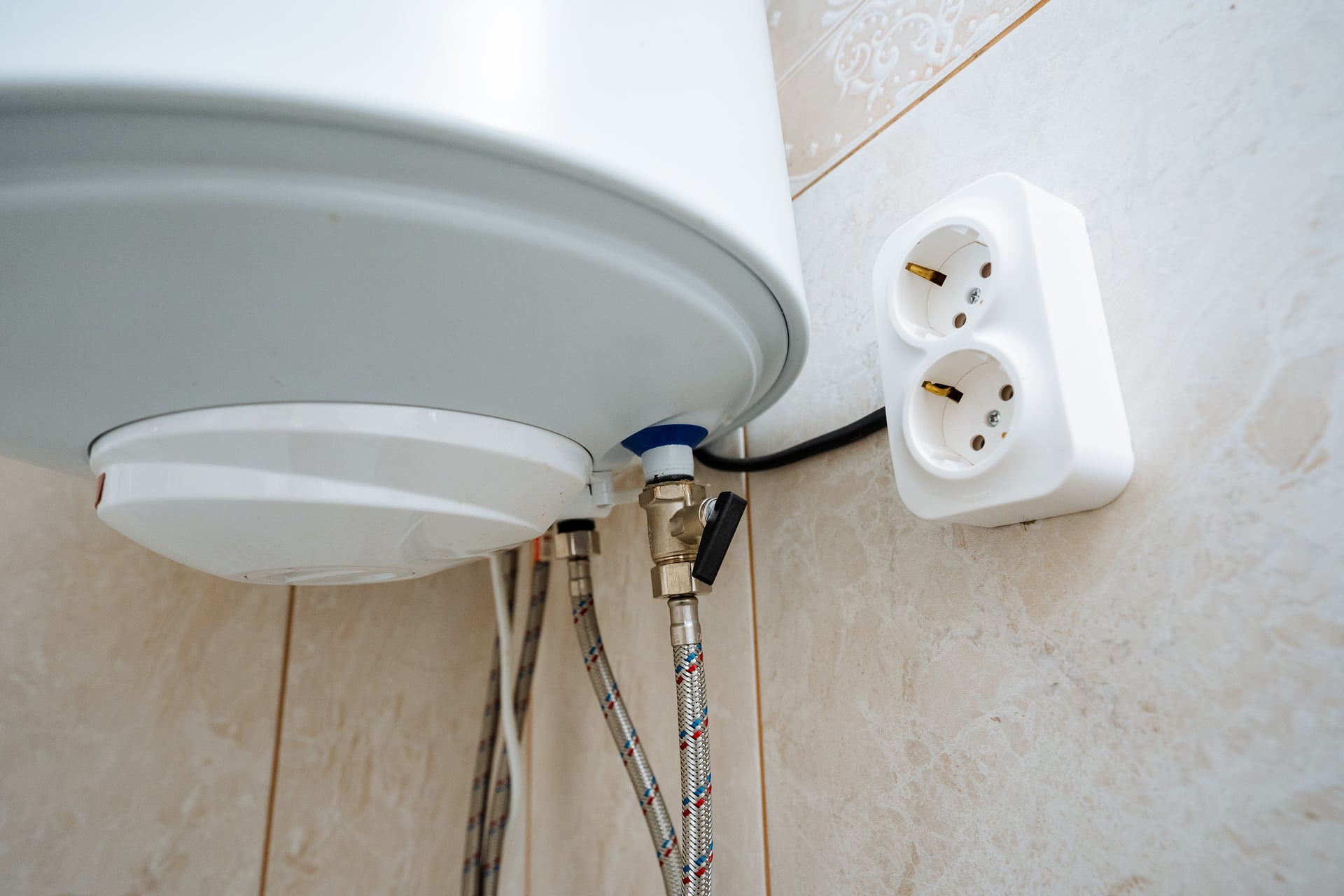
A water heater is one of those appliances homeowners rarely think about until it stops working, usually at the worst possible moment. For homeowners, understanding the early warning signs of a failing unit can mean the difference between a planned replacement and an unexpected cold shower or, worse, a flooded utility room. Local plumbing professionals point to a handful of consistent indicators that signal when a water heater is nearing the end of its service life.
Age of the Unit
According to the U.S. Department of Energy, a traditional storage tank water heater typically lasts between 8 and 12 years, while tankless models can last significantly longer. The manufacturing date is usually stamped on a label near the top of the tank, often encoded within the serial number. Homeowners unsure of their unit’s age can check this label or consult a professional for help decoding it. Once a tank passes the 10-year mark, the likelihood of internal corrosion and component failure increases substantially, even if the unit still appears to function normally.
Inconsistent or Insufficient Hot Water
A noticeable drop in hot water supply is one of the most common complaints professionals hear. If showers run cold faster than they used to, or if water temperature fluctuates unpredictably, it often points to a failing heating element, a faulty thermostat, or sediment buildup that has reduced the tank’s effective capacity.
In households with well water, which is common in parts of Cabell County, mineral content can accelerate this sediment accumulation, making the issue more pronounced than in areas served by treated municipal supply.
Discolored or Rusty Water
Rust colored or cloudy hot water is a strong indicator of internal tank corrosion. This typically happens as the protective anode rod inside the tank wears down, allowing rust to develop on the tank’s interior lining. Once corrosion reaches this stage, repair options are limited, since the structural integrity of the tank itself is compromised rather than a single replaceable part.
Unusual Noises
Experts from Darnold & Lyons Cabell County explain that popping, rumbling, or banging sounds coming from a water heater usually mean sediment has hardened at the bottom of the tank. As this layer builds up, it insulates the heating element from the water above, forcing the unit to work harder and wear out faster. While a professional flush can sometimes resolve early sediment buildup, persistent noise after a maintenance service is often a sign that internal damage has already occurred.
Leaks or Moisture Around the Base
Any pooling water or visible moisture near a water heater deserves prompt attention. Leaks can originate from a loose fitting or valve, which is often repairable, or from a crack in the tank itself, which is not. Since a tank failure can release dozens of gallons of water in a short period, homeowners who notice even minor leaking should have the unit inspected quickly rather than waiting to see if the problem worsens.
Rising Energy Bills
As a water heater ages, it typically loses efficiency, meaning it uses more energy to produce the same amount of hot water. A gradual increase in utility costs, without a corresponding change in household water usage, can indicate that a unit is nearing the end of its functional lifespan even before more obvious symptoms appear.
Deciding Between Repair and Replacement
Not every issue requires a full replacement. A faulty heating element, thermostat, or valve can often be repaired affordably, extending a unit’s service life by a few more years. However, once a tank shows signs of corrosion, structural leaking, or repeated sediment-related problems, most professionals recommend replacement over repeated repairs.
Consulting a licensed plumber for an inspection is the most reliable way to determine which category a given water heater falls into, particularly for homeowners weighing the cost of one more repair against the value of a new, more efficient unit.
Darnold & Lyons Heating Cooling Plumbing
grant@darnoldandlyons.com
+1 304 744 8474
2570 Pennsylvania Ave Suite B
Charleston
West Virginia
25302
United States


